
Wisconsin Ties to the Revolutionary War
Two hundred fifty years ago, Harvard College student Rufus King (1755-1827) interrupted his legal studies to join the Massachusetts’ militia for service during the Revolutionary War. While King soon determined his aspirations lay in law rather than the military—later becoming a signer of the U.S. Constitution and senator for the state of New York—his descendants ensured the King name would remain equally recognized for devoted military service.
King’s son Charles (1789-1867) served during the war of 1812, but it was his grandson, also Rufus (1814-1876), who became known for his role in organizing the famed Iron Brigade during the Civil War. The younger Rufus was only 19 when he graduated from West Point, but uninspired by his peacetime prospects resigned his commission to follow in his father’s editorial footsteps. In 1845, he relocated to Milwaukee to work for The Milwaukee Sentinel. There, the civic-minded King served as captain of the Milwaukee Light Guard and as major general of state militia.

Rufus-King-1755-1827

Charles-King-1789-1867
Kings in the Civil War
Rufus King was appointed brigadier general of U.S. Volunteers within a month of the attack on Fort Sumter. In this capacity he organized local regiments into “King’s Wisconsin Brigade,” the first iteration of what would become the revered Iron Brigade. Unfortunately, epileptic seizures plagued Brigadier General King and rendered him unable to serve as they faced their first combat in August 1862. Misunderstandings surrounding his health and decisions made during the disastrous Second Battle of Bull Run brought his reputation unjustly into question at the time. The ailing general resigned in October 1863.
At the same time, King’s elder son Rufus King, Jr. (1838-1900) continued to honor the family name serving with the 4th U.S. Artillery Regiment. The artillery officer from New York was recognized later with a Medal of Honor for his bravery during the Battle of White Oak Swamp. His younger son Charles (1844-1933) also saw service under him as a mounted orderly at the start of the war. Little did anyone know that Charles’s experience at 17 was the start of what became an unparalleled 70-year military career.
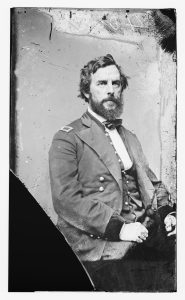
Rufus-King-1814-1876
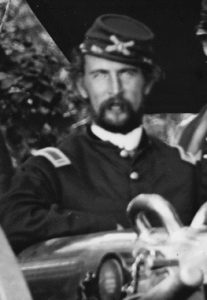
Rufus King Jr (1838-1900)
Charles King and 70 Years of Service
After serving under his father, Charles received an appointment to West Point and graduated in 1866. In 1871, Lieutenant King transferred from the 1st Artillery to the 5th Cavalry and served out west under General George Crook during the Indian Wars. Serious injuries received during the Battle of Sunset Pass in 1874 eventually forced him to retire from the regular army in 1879. He went on to teach military science at the University of Wisconsin and St. John’s Military Academy. King also began writing about his experiences during the 1876 Sioux Campaign in a series of articles that became his first book Campaigning with Crook. It was one of over 60 books the distinguished author would write.
In 1882, then-Captain King began serving in the Wisconsin National Guard. As a colonel he was in command of the 4th Infantry Regiment from 1890 to 1892. He later served as the state’s adjutant general from 1895 to 1897. In 1898, he came out of retirement to serve as brigadier general of volunteers in the Philippines during the Spanish-American War. He was then placed in command of the 1st Brigade during the subsequent Philippine-American War, participating in the Battles of Manilla and Pagsanjan. In 1904, he was made brigadier general of the Wisconsin National Guard and later assisted in training troops during World War I. He was not formally retired until July 1931 at the age of 86. The military service legacy of the King family spans from the Revolutionary War through WWI. The Wisconsin Department of Veterans Affairs Veterans Home at King is named in honor of Brigadier General Charles King. Embodying the museum tenet that Wisconsin Was There, General King is recognized as the only U.S. solider to serve in five of our country's wars.
For additional Wisconsin ties to the Revolutionary War, see this blog.
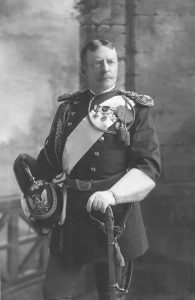
Charles King (1844-1933), shown dressed to escort the wife of President William McKinley during McKinley's 1897 inauguration.
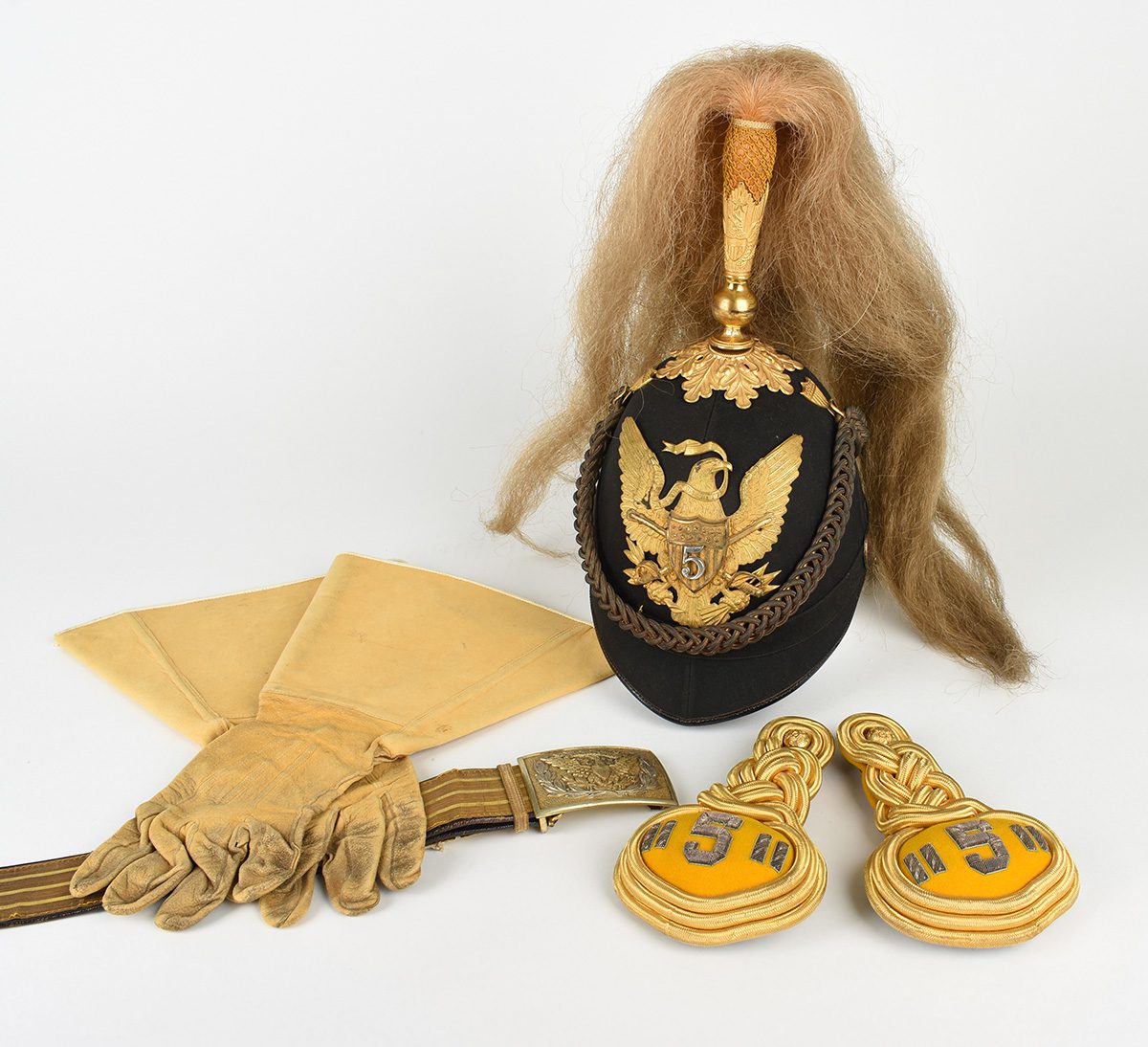
Uniform accessories worn by Gen. Charles King (1844-1933) while escorting the wife of President William McKinley at her husband's 1897 inauguration. V1995.26.117, V1995.27.304 and .416, V1997.1.677 Wisconsin Veterans Museum Collection
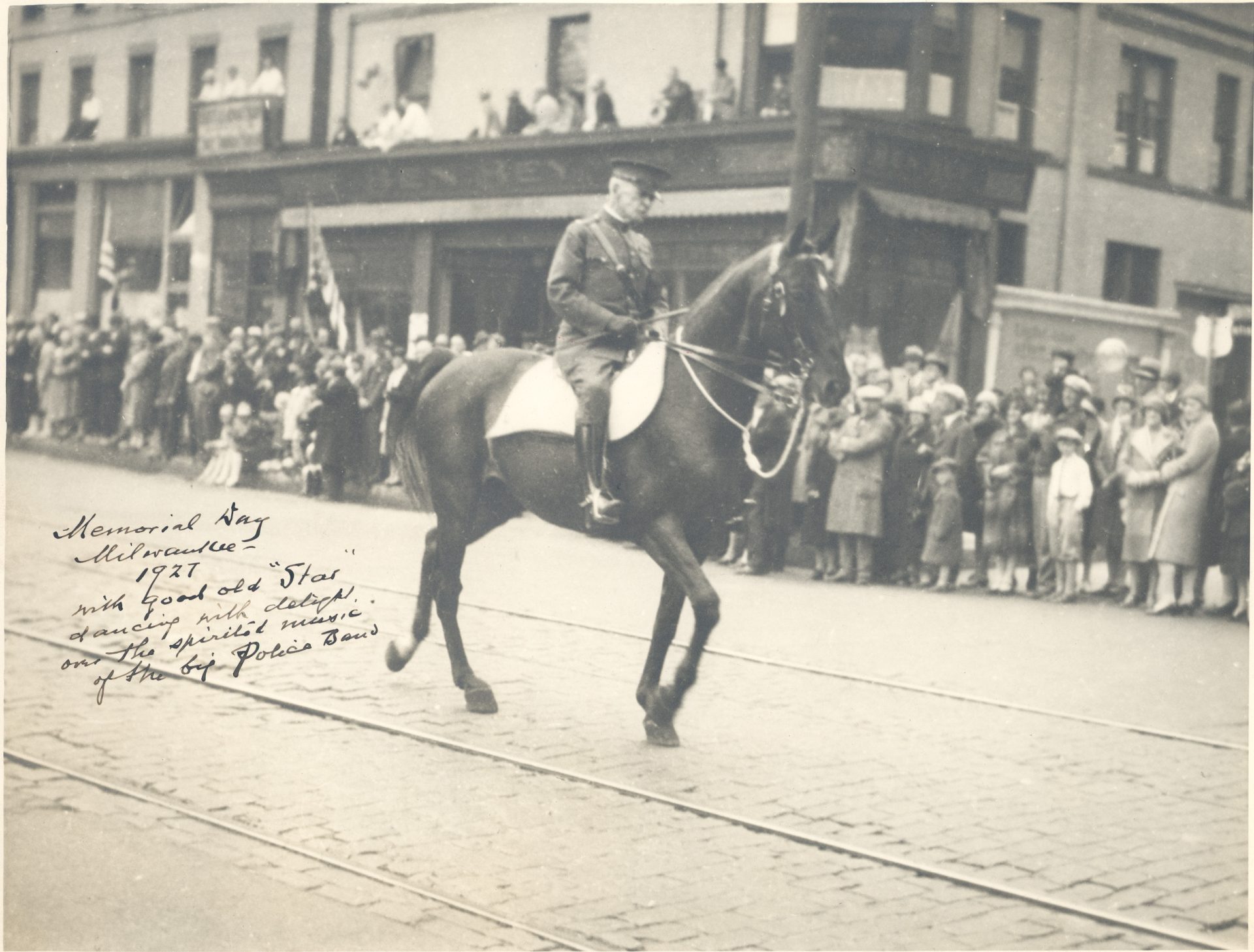
Photo of Charles King with written text that reads: Memorial Day Milwaukee - 1927 with good old "Star" dancing with delight over the spirited music of the big Police Band.

"A Succession of U.S. Army Kings" was written by Andrea Hoffman, Collections Manager at the Wisconsin Veterans Museum and adapted for the web by Jennifer Stevenson, Marketing Manager. This post is from an article first published in the Spring 2025 issue of The Bugle.